

India Sectors · For UK firms entering India
Where UK firms win in India.
The UK–India Free Trade Agreement comes into force on 15 July 2026, cutting tariffs, opening services and easing mobility. These are the Indian sectors where UK firms have the clearest routes to joint ventures, partnerships and first revenue — with Vrkan coordinating the India side.
The opportunity
Priority sectors under the UK–India FTA
For most mid-market firms the challenge is not deciding to enter India — it is choosing the right sector play and executing it across multiple advisers without a local team. Below are the sectors with the strongest post-FTA case, why each matters, and the commercial routes that work.
Nine plays
Nine sectors to target
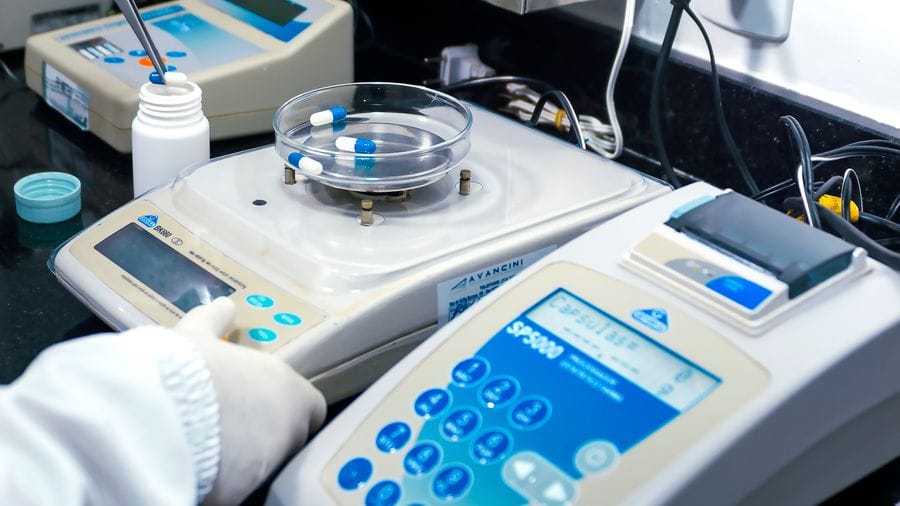
Healthcare & Pharmaceuticals
The FTA eases tariff and non-tariff frictions on pharma and medical devices and deepens regulatory cooperation, clarifying access for UK medtech, clinical services and contract manufacturing.
Typical plays: distributor partnerships, import & regulatory clearance coordination, technology transfer, hospital-network partnerships.
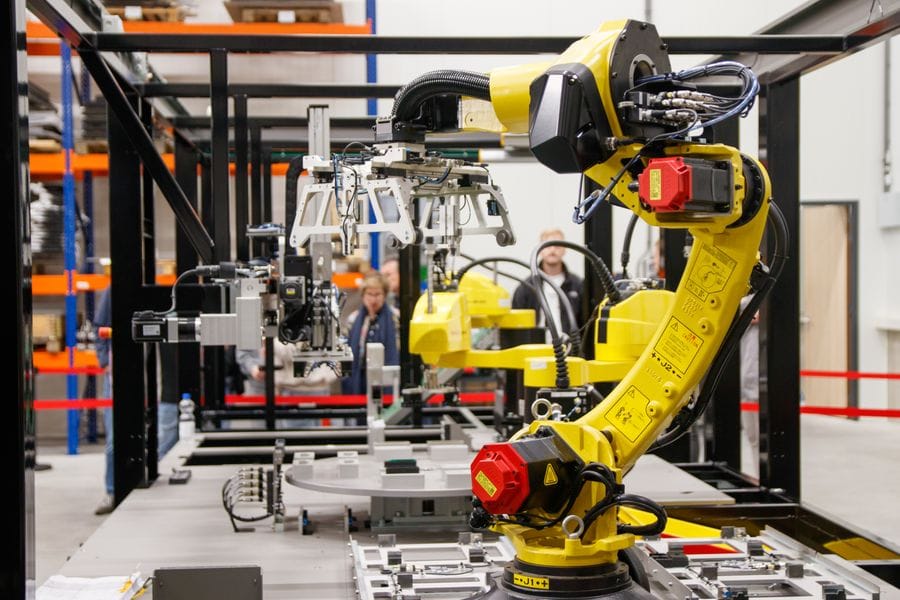
Advanced Manufacturing & Engineering
Tariff cuts and improved rules of origin on engineering goods, auto components and capital goods make India more competitive for assembly and sourcing.
Typical plays: JV assembly and production, supplier-development programmes, contract manufacturing, testing & certification.

Food, Beverage & Premium Agri
Processed foods and premium lines — including Scotch whisky and spirits — gain improved entry terms, opening a strong retail and premium-import play.
Typical plays: distributor & retail partnerships, cold-chain JV, private-label and co-manufacturing, brand launches.

Education & EdTech
Services chapters and easier mobility support institutional partnerships and cross-border delivery, letting EdTech scale through local channels.
Typical plays: university and school partnerships, EdTech channel partners, joint programmes, localised pilots.

Financial & Professional Services
Services commitments create clearer access for fintech, advisory, legal and insurance firms bringing specialist UK expertise to India.
Typical plays: B2B fintech JVs, payments and compliance partnerships, consulting channel partnerships, licensing liaison.
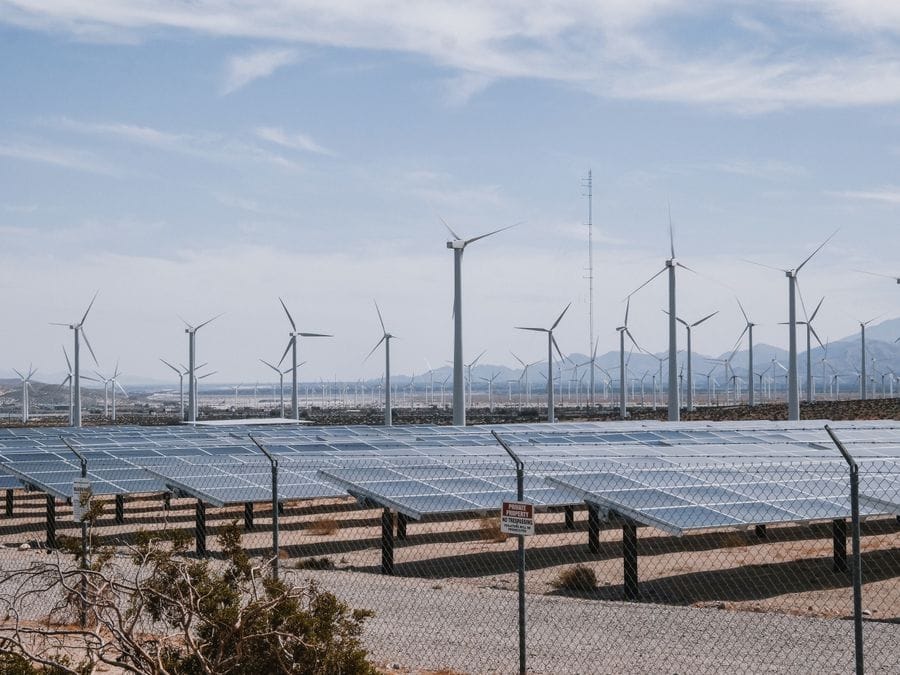
Clean Energy, Renewables & EV
Investment and supply-chain linkages open JV and procurement routes across renewables, battery tech and EV components (some EV lines phased).
Typical plays: localised-assembly JVs, technology licensing, project-development partnerships, component supply.
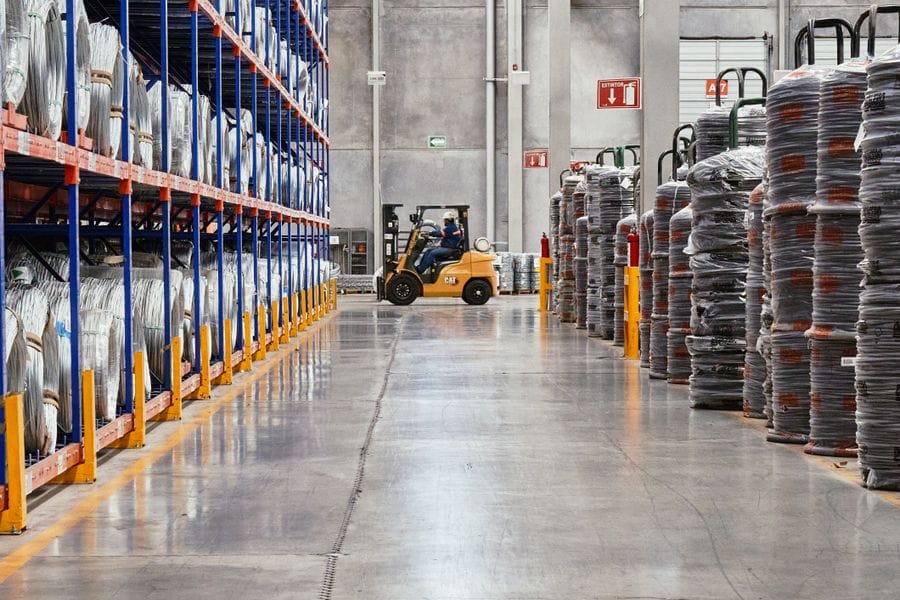
Logistics, Cold-Chain & Warehousing
Rising trade volumes lift demand for modern logistics, bonded warehousing and trade finance.
Typical plays: 3PL joint ventures, cold-chain infrastructure, bonded-warehouse operations, trade-finance frameworks.

Consumer & Retail
Large duty reductions on textiles, apparel, footwear and furniture make India a viable sourcing and local-manufacturing base for UK brands.
Typical plays: sourcing partnerships, private-label manufacturing, retail-distribution JVs, franchise and licensing.

Technology & Digital Services
Digital-trade provisions and mobility make it easier to build delivery hubs, channel sales and joint products across IT/ITeS, SaaS and cloud.
Typical plays: channel partnerships, delivery-centre setup, reseller agreements, joint product development.
The sequence
How to engage — pilot first, then scale
1. Pilot
Start with a low-risk pilot — an import shipment, reseller agreement or SaaS trial — to prove demand and build a case study.
2. Partner & structure
Partner search and vetting, then the right structure: distribution agreement, channel partnership, or joint venture.
3. Execution desk
An India-side coordination retainer that manages advisers, contracts, meetings and follow-through as you scale.
The honest part
Sector advantages depend on product-level tariff schedules and strict rules-of-origin compliance — incorrect claims can trigger penalties and retrospective duties. Some lines (for example certain steel and EV categories) are phased or subject to safeguards. Vrkan coordinates the commercial route and timeline; customs, tax, legal and regulatory work is handled by the qualified professionals you appoint or we introduce, and we check product-level schedules before you commit.
Which India sector fits your business?
Book a 30-minute discovery call. We’ll tell you honestly where the opportunity is real and how to test it.